
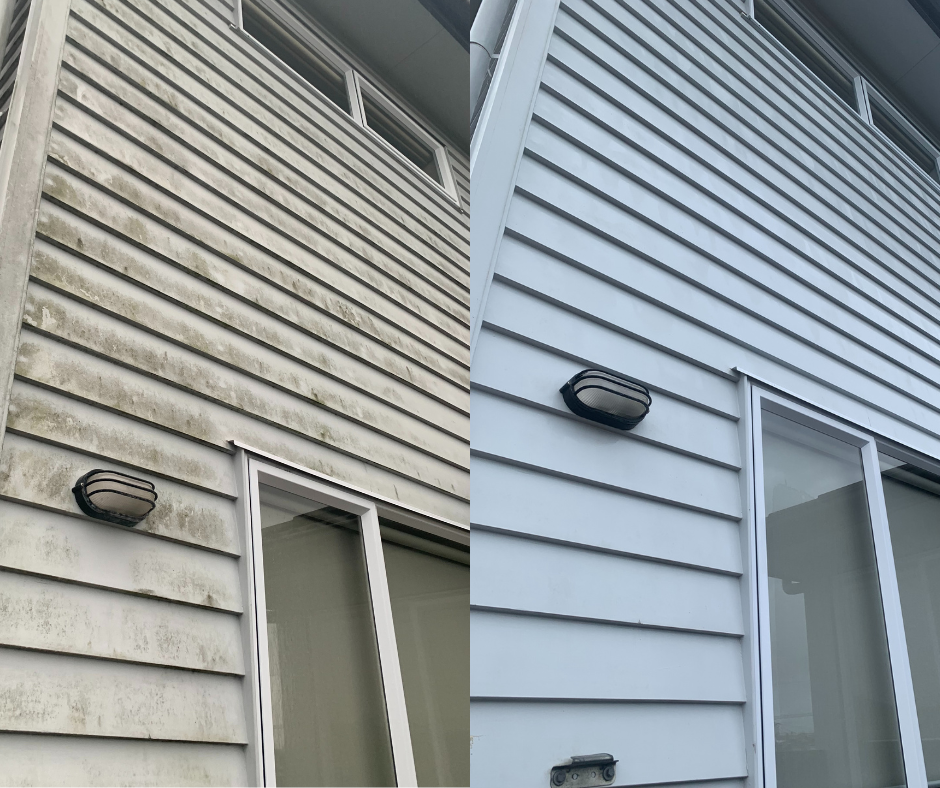

Our houses have taken a real beating this year. Intolerable rain in the Hunter along with coal dust and parching sunshine (on occasion) has meant our cladding, bricks, windows and pathways are looking a little worse for wear. The real problem is that when you walk past your house every day, you don’t even see the change.
Your home’s exterior is the very first thing people notice. Over time, dirt, mold, mildew, algae, and grime build up — leaving your property looking tired and neglected. A simple coat of paint or landscaping can help, but nothing refreshes a home’s appearance as quickly and effectively as pressure washing your house.
Pressure washing not only restores curb appeal, but it also helps protect your property from long-term damage caused by moisture, mold, and dirt buildup. Whether you’re looking to do it yourself or hire a professional, this guide covers everything you need to know: when and how to pressure wash, areas to focus on, safety tips, costs, and more.
1. What is Pressure Washing and Why Does Your House Need It?
Pressure washing is the process of using a high-powered water spray to remove dirt, stains, algae, and other build-up from exterior surfaces. Unlike regular hosing, a pressure washer delivers water at a much higher PSI (pounds per square inch), making it powerful enough to blast away years of grime.
Benefits of Pressure Washing:
-
Restores curb appeal – Your home instantly looks fresher and more inviting.
-
Prevents long-term damage – Mold and algae can eat away at siding, brick, and paint if left untreated.
-
Protects health – Pressure washing removes allergens like pollen, mold spores, and dust.
-
Increases resale value – A clean exterior can add 5–10% to your home’s value, according to real estate experts.
Pressure washing is more than cosmetic. It’s an important part of home maintenance that protects your investment.
2. When is the Best Time to Pressure Wash Your House?
Timing matters. The best time to pressure wash is when your home is dry and temperatures are mild.
-
Spring – Perfect for washing away pollen, mold, and winter residue.
-
Autumn – Removes leaves, dirt, and mildew buildup before cooler months.
How often should you pressure wash?
Most homes should be pressure washed every 1–2 years, but this can vary depending on:
-
Climate – Humid environments promote algae and mold growth, requiring more frequent cleaning.
-
Location – Homes near busy roads or trees may accumulate dirt and sap faster.
-
Exterior Material – Vinyl siding may need cleaning more often than brick.
Signs your house needs pressure washing:
-
Green or black streaks on siding.
-
Moldy or stained driveways and patios.
-
A dull, dirty look that doesn’t wash off with a hose.
3. Areas of Your Home That Benefit Most from Pressure Washing
Not every surface should be pressure washed the same way. Here’s where pressure washing makes the biggest impact:
-
Siding (vinyl, brick, cement) – Removes mold, dirt, and mildew.
-
Driveways & Walkways – Gets rid of oil stains, tire marks, and dirt.
-
Decks & Patios – Restores natural wood or cleans stone pavers.
-
Fences – Refreshes wood or vinyl fences, making them look new again.
-
Roofs – Should be cleaned with soft washing, not high-pressure, to avoid damage.
Caution: Avoid using high-pressure water on windows, stucco, or older wood, as these surfaces can be damaged.
4. How to Pressure Wash Your House Safely (Step-by-Step Guide)
Pressure washing is effective, but if done incorrectly, it can damage siding, strip paint, or even cause injuries. Here’s a safe step-by-step approach:
Step 1: Preparation
-
Inspect your home for cracks, loose paint, or damaged siding.
-
Cover plants, outdoor furniture, and electrical outlets.
-
Close windows and doors.
Step 2: Gather Equipment
-
Pressure washer.
-
Wide spray nozzle.
-
Safety gear.
-
Cleaning solution.
Step 3: Start Cleaning
-
Mix cleaning solution if needed.
-
Begin at the top of the house and work downward.
-
Keep nozzle 6–12 inches from the surface.
-
Use long, overlapping strokes to avoid streaks.
-
Rinse thoroughly.
Step 4: Safety Reminders
-
Never aim at people or pets.
-
Avoid ladders — the recoil can knock you off balance.
-
Test pressure on a small hidden area first.
5. DIY vs. Hiring a Professional Pressure Washing Service
Many homeowners debate whether to rent a machine and do it themselves or call in a professional. Both options have pros and cons.
DIY Pressure Washing
Pros:
- Lower cost upfront.
- Immediate results.
Cons:
- Risk of damaging siding, windows, or paint.
- Time-consuming and physically demanding.
- Equipment rental may still cost $75–$150/day.
Professional Pressure Washing
Pros:
- Experts know the right pressure for each surface.
- Commercial-grade equipment gives better results.
- Saves time and effort.
- Insured for damages.
Cons:
- Higher upfront cost.
Pro Tip: If you have a large home, delicate surfaces, or haven’t pressure washed in years, hiring a professional may be the safer, more effective choice.
6. How Much Does Pressure Washing a House Cost?
The cost of pressure washing varies based on the size of your home, materials, and your location.
Factors that affect price:
-
Home size & number of stories.
-
Material (vinyl vs. brick vs. wood).
-
Accessibility (tight corners, steep roofs).
-
Whether additional services (deck, driveway, fence) are included.
7. Final Thoughts: Keep Your Home Looking Its Best
Pressure washing your house is one of the fastest, most affordable ways to restore curb appeal, protect your property, and boost home value. Whether you rent a pressure washer and do it yourself or hire a professional, keeping your exterior clean should be part of your regular maintenance routine.
- Your home will look fresh and welcoming.
- You’ll prevent costly long-term damage.
- You’ll enjoy a healthier living environment free from mold and mildew.
Ready to transform your home’s exterior? Contact a local professional pressure washing service today (that’s us!) for a free quote and see the difference a clean home can make.